Why Northern Norway at all
The orcas do not come for the scenery. They follow the herring that moves into the fjords in winter. Where the herring is, the orcas are — and often humpback whales with them.

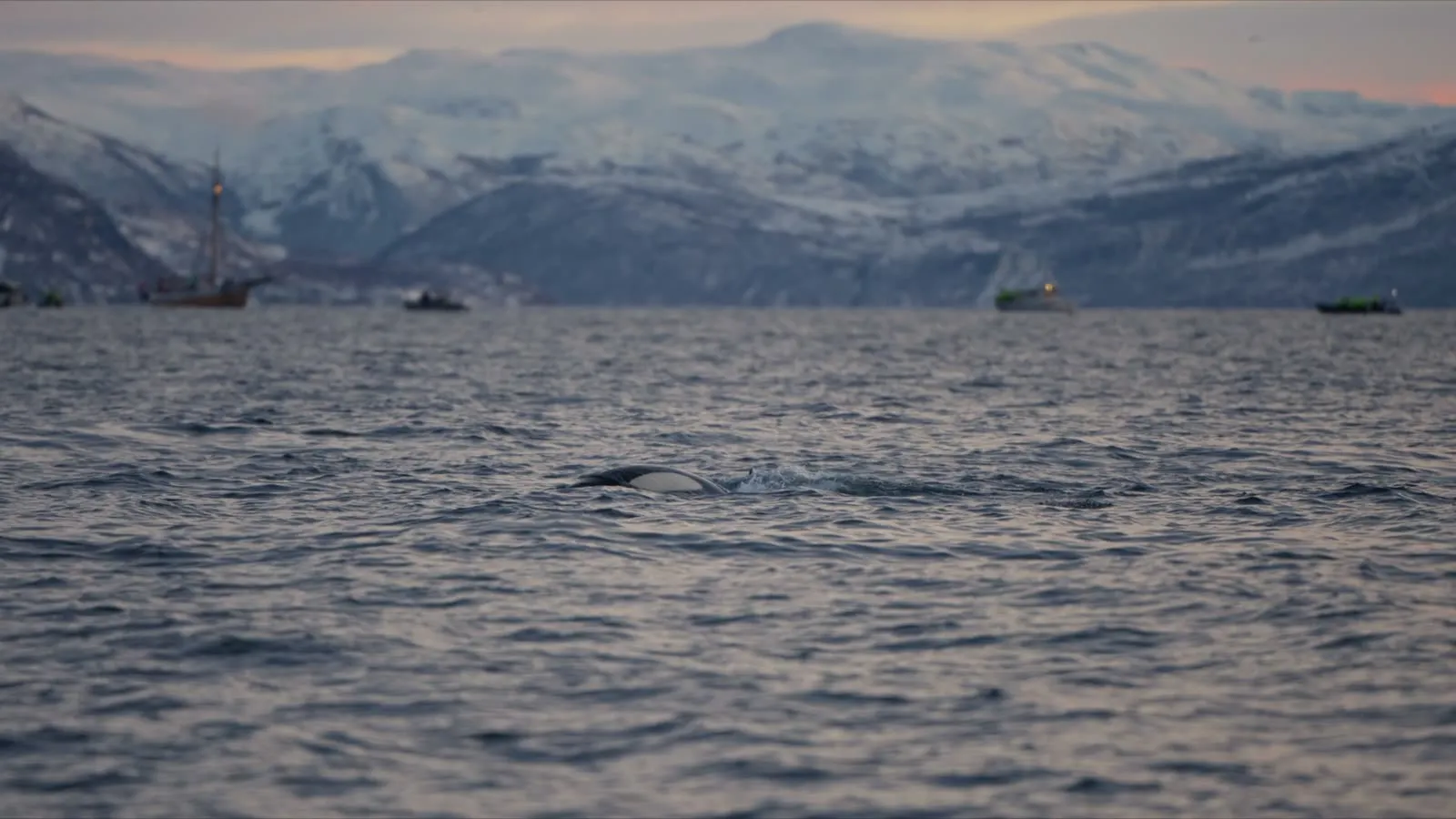
Northern Norway · from Alta
3 or 6 days · small expedition group · 12 guests maximum
Expedition price with Orca Norway: from 42,000 NOK, around 3,900 € per person. Flights, a hotel in Alta and transfers come on top — we work out what your trip costs in total.
07:30
You wake up in a bunk somewhere in a fjord north of the Arctic Circle. Breakfast is waiting in the saloon. Outside, the polar night lies over the water — around midday it turns as bright as it gets, and even then it stays blue.
09:00
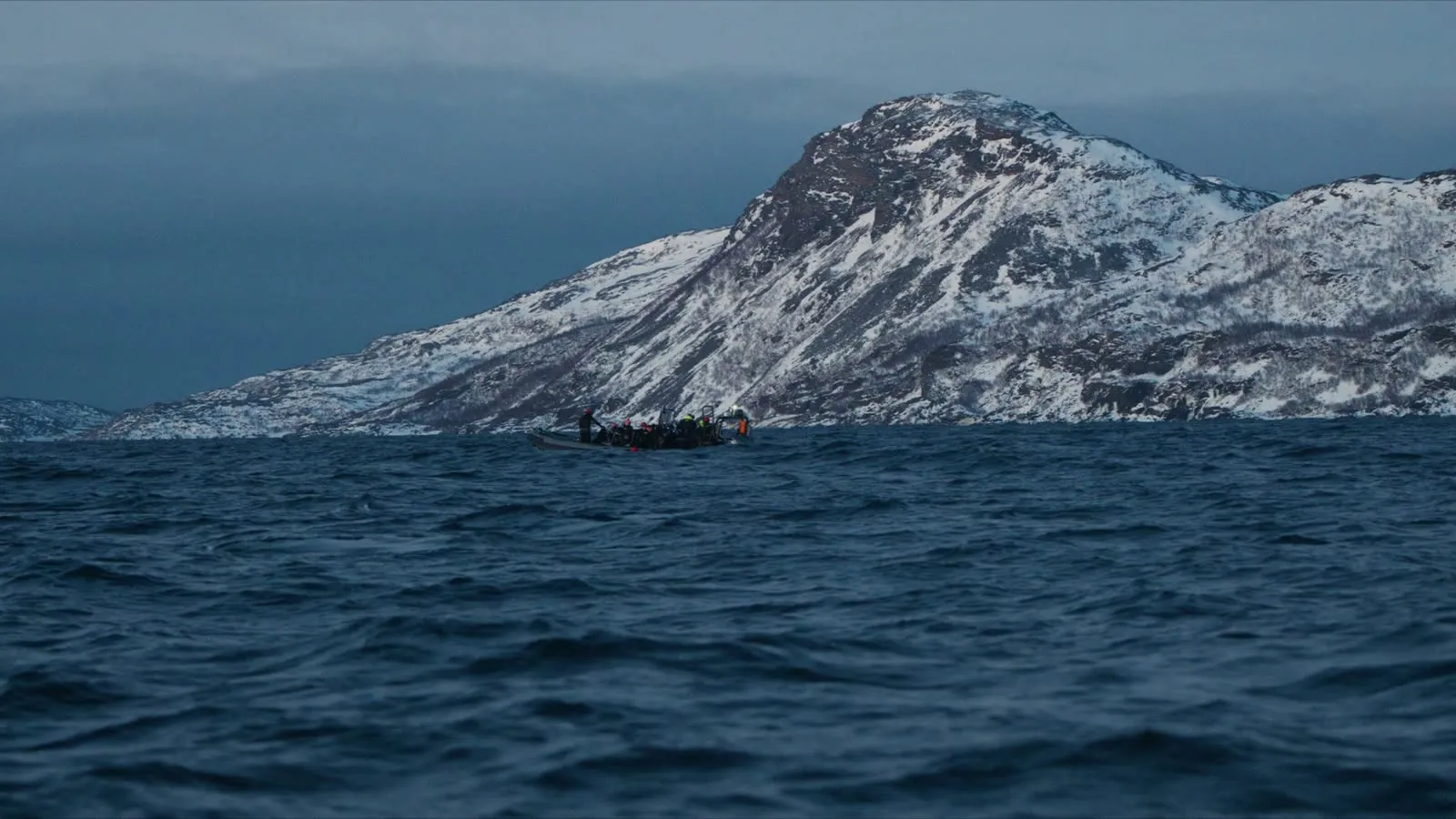
Some days the crew finds the orcas within an hour. On others it takes half a day. If you want, you stand in the wheelhouse and search with them — scanning the horizon for flocks of birds, for a blow, for a fin.
The moment you came for
A dorsal fin, two hundred metres ahead.
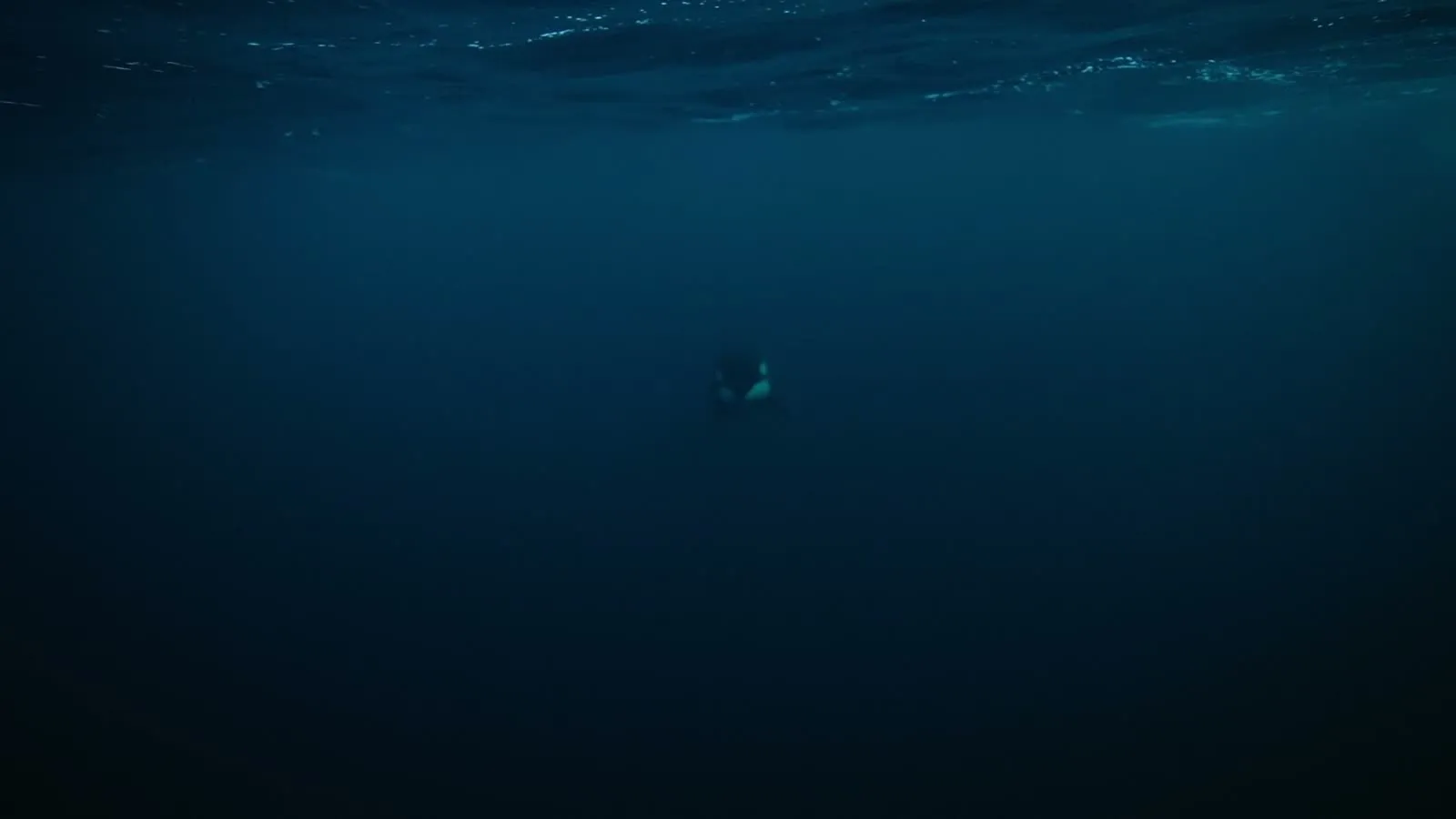
Dry suit. Neoprene hood. Over the ladder of the dinghy into the water. And then everything goes quiet — only your own breath in the snorkel, water at four to seven degrees, and somewhere ahead of you something black and white moves through the dark blue.
An encounter lasts a few seconds or more than an hour. The guide does not decide that. The animals do.
Why here — and why now
The orcas do not come for the fjords. They come for the herring, which moves into the fjords of Northern Norway from mid-October until late January. Where the shoal is, the orcas are — and often humpback whales, fin whales and occasionally sperm whales with them.
That is why the season is short and falls in the middle of winter. It means polar night, little light, real cold — and at the same time the only window in which this encounter is possible at all.
The orcas do not come for the scenery. They follow the herring that moves into the fjords in winter. Where the herring is, the orcas are — and often humpback whales with them.
Alongside orcas, these trips bring encounters with humpback whales, fin whales and occasionally sperm whales.
Orcas herd the herring together in coordinated groups. This shared hunt is the reason you can experience them in the water here at all.
The migration has been followed scientifically for years. That makes it fairly predictable — but it is not a timetable.
A day on board
This is what an expedition day looks like with the operator. Weather and daylight shift it — but the order stays the same.
The bus brings you from Alta to the berth. On board: welcome, briefing, dinner, equipment handout. The ship usually sails the following morning.
It is dark outside. Breakfast is served between 8:00 and 8:30.
The ship leaves harbour and searches the fjords. Some days the orcas turn up quickly, others take patience. If you want, you stand in the wheelhouse and watch the horizon.
Dry suits on, transfer into the dinghies. You stay out for two to three hours before returning to the mother ship.
Hot soup and coffee on board. If conditions allow, you head out again afterwards — until it goes dark.
The ship makes for the nearest harbour. Dinner is served around six, cooked by the chefs on board.
Every evening there is a USEA lecture about orcas and how to behave around them. Early in the season it is given on board by Pierre Robert de Latour; later in the season curated film sessions take its place.
Look for the northern lights, walk through the village, go to the pub — or get into the wood-fired hot tub on deck. It is usually heated on one evening per expedition; in strong wind it is skipped, because flying sparks on a ship are a hazard.
One more run out into the fjords, back around midday. A last lunch on board, then the buses take everyone back to Alta.
Outside and inside
Outside: polar night, wind, salt water pulling at the wrists of your dry suit. Two to three hours in an open dinghy.
Inside: hot soup and coffee the moment you are back on board. In the evening a warm meal from the chefs in a saloon with sixteen seats. Then a talk about the animals you saw during the day.
On board MS Sula: professional chefs, all meals, soft drinks, snacks, bed linen and towels, WiFi and a wood-fired hot tub on deck. The hot tub is usually heated on one evening per expedition and is skipped in strong wind.
And then, if you are lucky
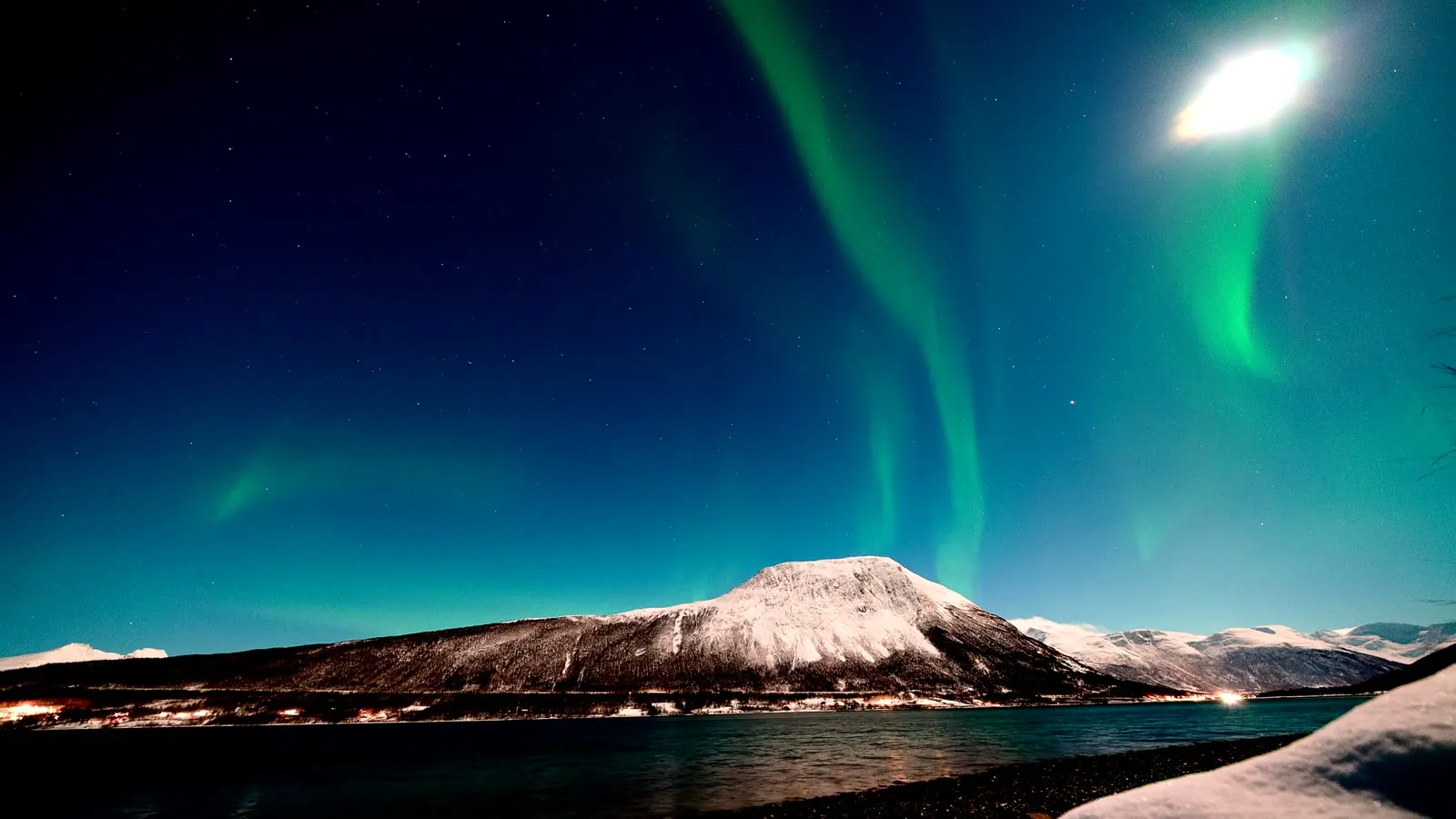
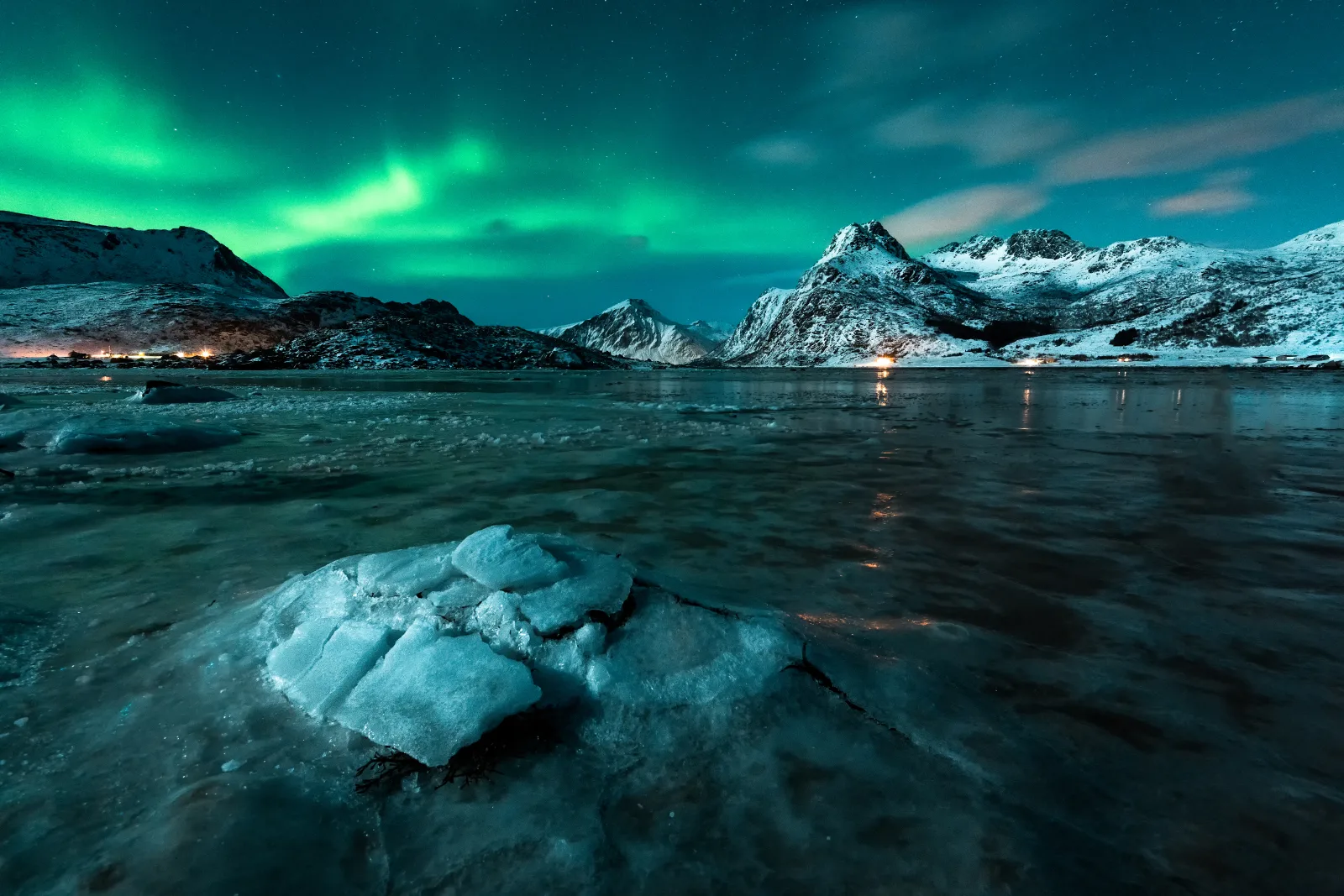
Alta is known as the “city of the northern lights”. The region lies well inside the Arctic Circle, with little light pollution and comparatively stable weather. With clear skies the chances are very good according to the operator — but aurora can be guaranteed as little as an orca encounter.
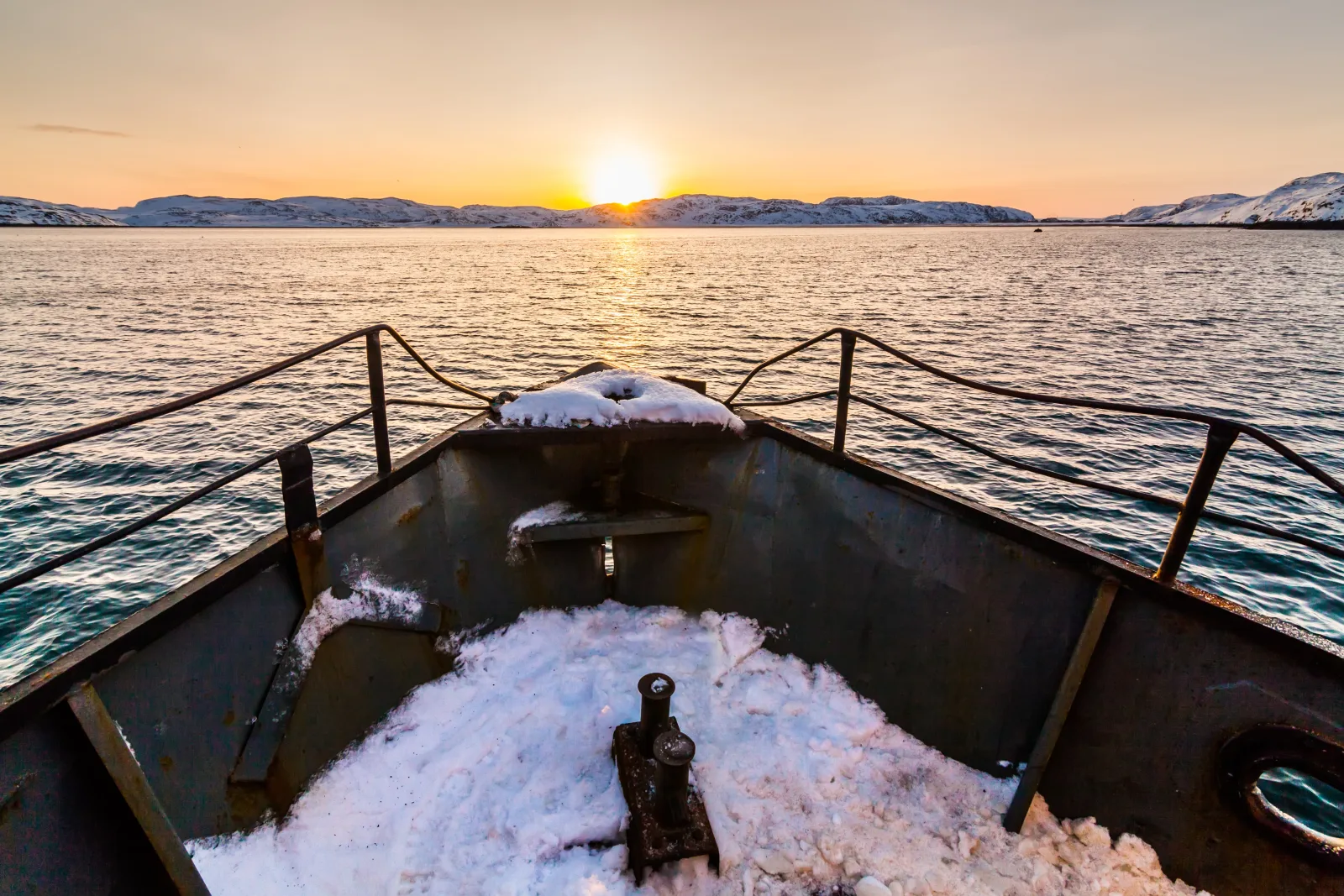
Your home for three days — MS Sula
Sula was launched in 1967 and spent decades working for the Norwegian coastal administration: setting navigation marks and servicing lighthouses along one of the roughest coastlines in Europe. In 2006 Olav Magne Strømsholm bought the ship and converted her into an expedition vessel.
Six cabins, two guests each, bunk beds. Most have a window or porthole and a sink. No cabin has its own bathroom: there are two toilets and two showers on board for everyone. Cabins are assigned by the crew at boarding and cannot be chosen in advance.
This is not a cruise ship and does not want to be one. It is a working vessel with bunks, shared showers and a saloon where everyone sits together in the evening. That is exactly where the expedition character comes from — and the reason solo travellers here often leave with new acquaintances.
Since 1992
Orca Norway ran its first expedition in 1992 — with a small boat and an open question: would the animals accept people in the water at all? They did. Since then the herring migration has shifted several times, and the operator has moved with it every time.
„Since watching Flipper in the sixties, my passion for orcas and wildlife has remained steadfast. Leading this company is not just my occupation — it is my passion. Witnessing our guests fulfil their dreams is what truly fuels me."
Olav Magne Strømsholm, founder of Orca Norway
In over thirty years of expeditions there has not been a single incident involving an orca. That is the operator’s own statement. In the same paragraph he adds: orcas are wild animals, and anyone entering the water does so at their own risk.
The map is a schematic illustration, not a nautical chart to scale.
What you get
The left column is what Orca Norway provides on board. The right column is the part we talk about with you.
Equipment and clothing
Only dry suits with integrated boots are available to rent. Neoprene hoods, gloves and wool socks are provided by the operator.
Wool base layers go under the dry suit. If you bring your own wetsuit, 9 to 10 millimetres is the recommended thickness.
For a rental suit the operator needs your height, weight, shoe size and gender in advance. That is stated in the registration form — without those details the suit will not fit, and a leaking dry suit in one-degree water is not a small problem.
Before you enquire
The following points appear in the briefing every participant signs before the trip. They are here because you should know them in advance, not at the quayside.
This is a snorkelling and freediving trip, not scuba diving.
Snorkelling experience helps but is not required — there is instruction on board for beginners.
Children from 7 may come aboard; entering the water is from 14.
When you register you confirm that no medical condition affects your safety under expedition conditions. If you have a condition that endangers neither you nor others, a doctor’s certificate must be attached.
The operator explicitly recommends cover for illness, accident, rescue and evacuation, loss of luggage and trip cancellation.
Seasickness can occur in rough seas. Medication is available on board.
If you have read this far and still want to go — then this is almost certainly your trip.
Ask about dates & prices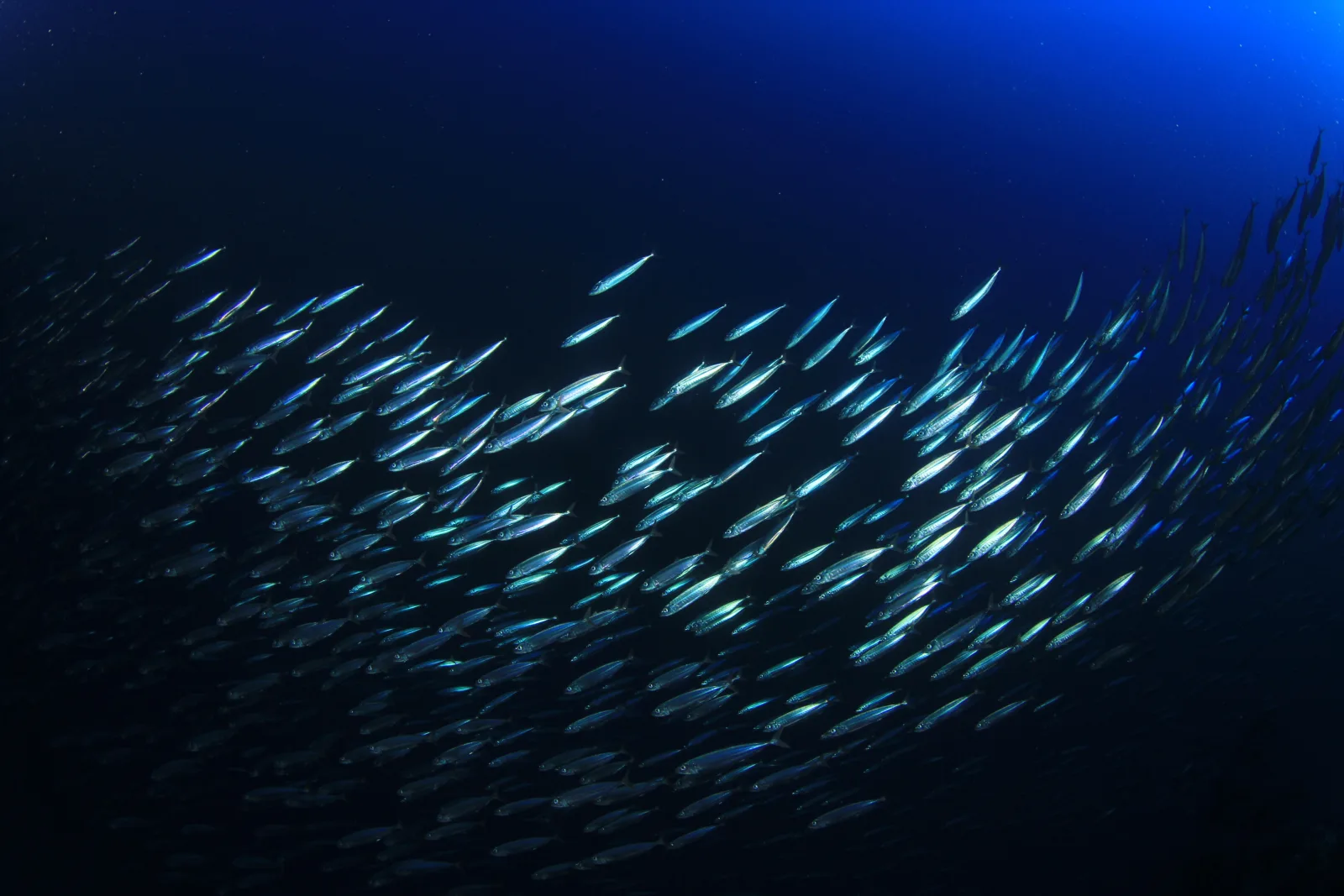
Working responsibly with wildlife
Norwegian law sets minimum distances: 375 metres from a working fishing vessel for whale watching, 750 metres for snorkelling with whales. The captain and crew are bound by Norwegian maritime law and cannot depart from it.
The expedition rests on a natural phenomenon: the migration of herring, orcas and whales into the fjords of Northern Norway. Scientists have followed it for years. It cannot be guaranteed — migrations can shift, arrive late or end early. The operator says so himself, and so do we.
Orca Norway states an in-water encounter rate of 99 per cent over the past five seasons. That is the operator’s own figure, not a promise from us and not a guarantee for your date.
Getting to Alta
The destination is Alta Airport (ALF), usually via Oslo (OSL) or Tromsø (TOS). The route is served by SAS, Norwegian and Widerøe.
The bus to the harbour leaves from the car park outside the main entrance of the Scandic Hotel in Alta. For Saturday departures it is there between 15:30 and 16:00, for Tuesday departures between 18:30 and 19:00.
The operator strongly recommends arriving a day early. Weather delays are normal in Northern Norway. If you arrive on the same day, land at least two hours before the meeting time. The Scandic Hotel Alta is at the meeting point and stores luggage for Orca Norway guests free of charge on departure day.
We help with flights, the hotel night in Alta and getting the connections to line up — we find the right options and arrange them for you. This is precisely where a self-booked trip tends to become unpleasant: a missed connection in Oslo does not cost you one night here, it costs half the expedition.
Dates
The amounts shown are the published expedition prices of Orca Norway in Norwegian kroner, as of 4 September 2026. They include neither flights nor a hotel in Alta nor transfers. The euro figures beside them are approximations at the European Central Bank reference rate of 3 September 2026 — billing is in kroner and the rate moves. What your trip costs from your home airport depends on the airport, the date and your wishes; we work that out for you individually.
| Date | Length | Expedition price | Free | Action |
|---|---|---|---|---|
| 15 Dec 26to 18 Dec 26 | 3 days | 42,000 NOKapprox. 3,900 € | 3 places | Enquire |
| 19 Dec 26to 22 Dec 26 | 3 days | 42,000 NOKapprox. 3,900 € | 8 places | Enquire |
| 22 Dec 26to 25 Dec 26 | 3 days | 42,000 NOKapprox. 3,900 € | 8 places | Enquire |
| 26 Dec 26to 29 Dec 26 | 3 days | 42,000 NOKapprox. 3,900 € | 8 places | Enquire |
| 29 Dec 26to 1 Jan 27 | 3 days | 42,000 NOKapprox. 3,900 € | 2 places | Enquire |
| 2 Jan 27to 5 Jan 27 | 3 days | 44,000 NOKapprox. 4,050 € | 1 place | Enquire |
| 5 Jan 27to 8 Jan 27 | 3 days | 44,000 NOKapprox. 4,050 € | 10 places | Enquire |
| 9 Jan 27to 12 Jan 27 | 3 days | 44,000 NOKapprox. 4,050 € | 12 places | Enquire |
| 12 Jan 27to 15 Jan 27 | 3 days | 44,000 NOKapprox. 4,050 € | 10 places | Enquire |
| 16 Jan 27to 19 Jan 27 | 3 days | 44,000 NOKapprox. 4,050 € | 10 places | Enquire |
Prices and availability as of 4 September 2026. Availability changes constantly — we check the current status when you enquire. Earlier dates in the 2026 season are already fully booked.
Why book through us
From 12 to 15 December 2026 Benjamin Bindewald is joining the three-day expedition aboard MS Sula — the very trip you are reading about here.
We are writing this before it has happened. Until then, everything on this page comes from Orca Norway’s own material and from our research — not from first-hand experience. From January 2027 this is where you will read how it actually was: with our own footage, our own mistakes, and an honest view of who this trip suits.
Recommended by us as soon as we have done it ourselves. Until then: properly researched, and open about what we do not yet know.
From January 2027, in this space
These sections are built and waiting for real content. We will fill them once the footage exists — not before.
Common questions
No. This is snorkelling and freediving, not scuba diving. You must be able to swim; snorkelling experience helps but is not required. There is instruction on board for beginners.
Air can drop to −12 degrees, water lies between +5 and +1. You go in wearing a dry suit, with a neoprene hood, gloves and wool layers underneath. It is still cold.
No, and nobody should promise you that. The trip follows an animal migration, not a timetable. Orca Norway states an in-water encounter rate of 99 per cent over the past five seasons — a very good starting point, but not a guarantee. There is no refund for absent sightings or bad weather.
A maximum of twelve guests, plus a crew of five. MS Sula has six cabins with bunk beds across three decks, two toilets and two showers. No bathroom belongs to a cabin.
The orcas decide that. You let them come rather than swimming after them. Norwegian law also sets minimum distances from working fishing vessels: 375 metres for watching, 750 metres for snorkelling.
Then the ship stays at the quay. Whether to put to sea is decided by the captain and crew alone, under the ISM Code and SOLAS. Spells of bad weather are common at this time of year.
Seven to come aboard, fourteen to enter the water.
The operator explicitly recommends it — for illness, accident, rescue and evacuation, loss of luggage and trip cancellation. On this trip that is not a formality.
Via Oslo or Tromsø to Alta Airport (ALF), with SAS, Norwegian or Widerøe. We strongly recommend arriving the day before — so does the operator, because weather delays there are normal.
That depends on the date, the departure airport and the length. Orca Norway’s expedition prices are 42,000 to 44,000 NOK for three days; flights, hotel and transfers come on top. We work your trip out for you — tell us when and from where you want to fly.
Enquiry
We check availability with Orca Norway, find flights, a hotel in Alta and transfers, and come back to you with a concrete proposal. No obligation, no charge.
Your name and email are enough. Everything else helps us get the numbers right straight away — but you can also settle it in conversation.
We will check availability with Orca Norway and usually come back to you within one working day. If you would rather have it faster, message us on WhatsApp.